

By Brendan Manson / President of Fellowship Development
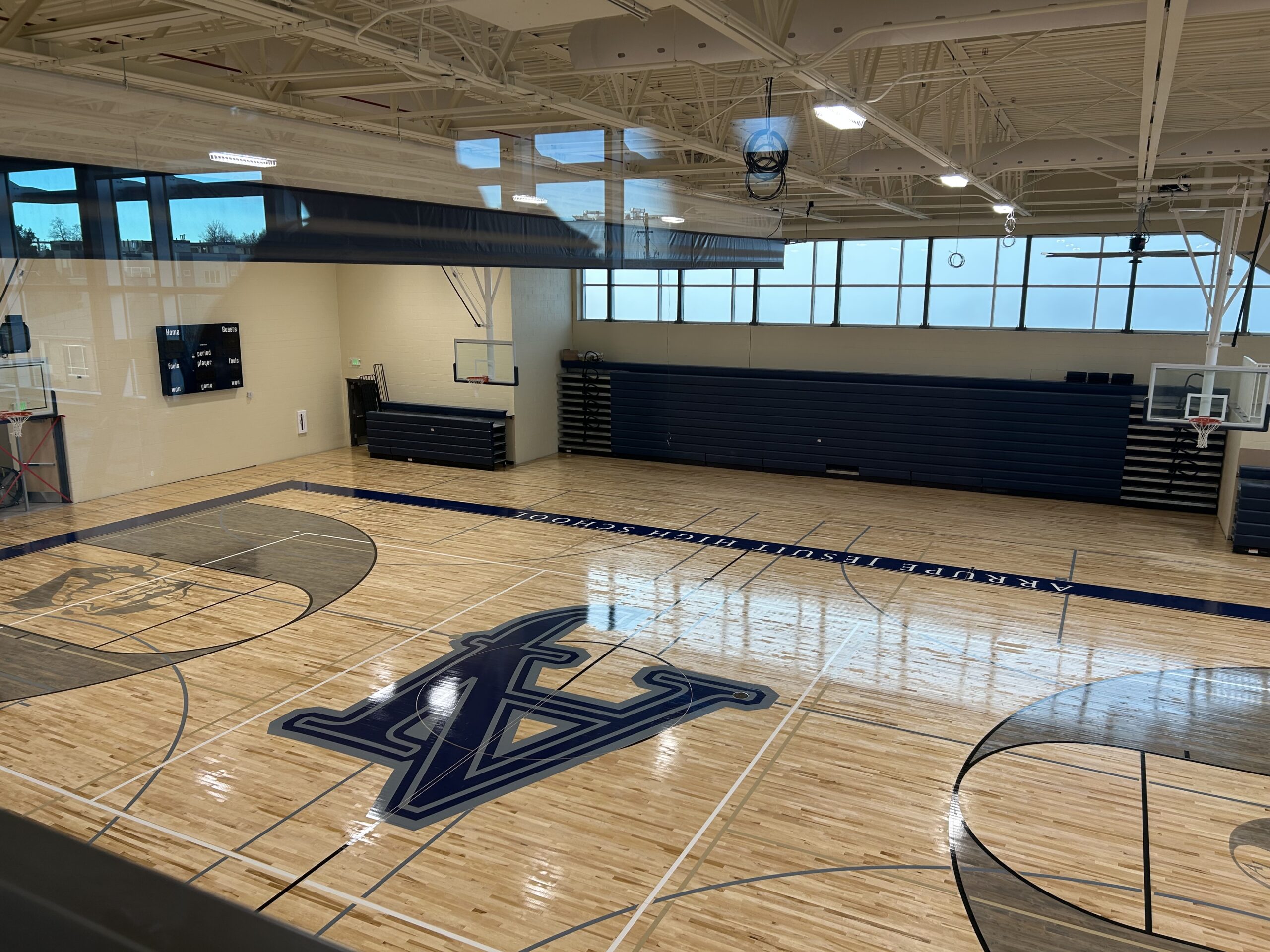
School renovations matter. The facilities directly affect student learning, safety and overall school culture. Thoughtfully updated spaces can support academic excellence, strengthen community pride and ensure facilities serve today’s educational needs rather than yesterday’s assumptions.
Many schools pursue renovations due to aging infrastructure that can no longer be maintained efficiently or safely. Other common drivers include the need to integrate new technology, adapt to enrollment growth or decline, meet accessibility requirements and achieve long-term environmental and sustainability goals.
Planning a school renovation is a multi-step process that requires careful coordination, clear vision and realistic budgets. From feasibility study and stakeholder engagement to design, fundraising and construction, understanding the full scope early on helps avoid costly surprises and sets the project up for success. A Christian school capital campaign will require all aspects to be considered and planned accordingly.
Start with a Clear Plan and Realistic Budget
The first step in any successful school renovation is assessing current conditions and clearly defining what the project is meant to accomplish. Establishing specific goals such as improving safety, modernizing classrooms or increasing capacity helps guide every decision that follows.
A realistic budget must account for more than just visible construction costs. Materials, labor, contingency funds for unexpected issues and long-term maintenance expenses should all be factored in from the beginning to prevent financial strain later. Identifying funding sources early through a campaign planning study is essential to shaping the scope and timeline of the project. Common options include donations, grants and even state or federal government programs, often used in combination to full support the renovation. Cost-control strategies can help schools maximize impact without sacrificing quality. Through value engineering, project teams can evaluate design and material choices to find cost-effective ways to meet performance, durability and educational goals.
 Put Health and Safety First
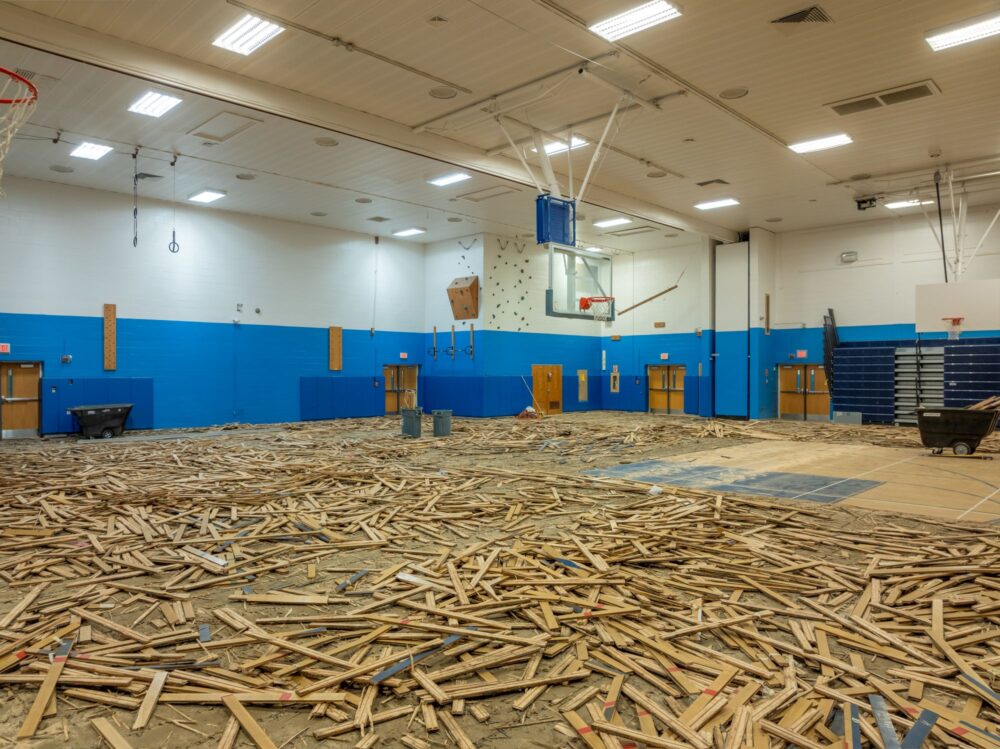
Compliance with building codes, fire safety regulations and ADA requirements is non-negotiable in any school renovation. Understanding the requirements and meeting these standards protects students, staff and visitors while also reducing legal and financial risk for the school.
Indoor air quality and proper ventilation are critical to creating a healthy learning environment. Renovation plans should also address the identification and safe mitigation of hazardous materials such as asbestos or lead, particularly in older buildings. Safety during construction is just as important as safety after the project is complete. Clear health and safety measures and protocols should be in place in minimize disruptions, control access to construction zones and ensure students and staff can continue daily activities safely.
Infrastructure Upgrades That Support Learning
Structural improvements and core system upgrades are often the backbone of a successful school renovation. Updating HVAC, plumbing and electrical systems improves reliability, enhances comfort and ensures the building can support modern educational demands. Energy-efficient upgrades can significantly reduce operating costs while supporting sustainability goals. Investments in improved insulation, solar energy and smart building systems help schools manage energy use more effectively over the long term. Modern learning environment enhancements depend on strong technology infrastructure. Upgrading networking capabilities, creating smart classrooms and enhancing security systems are often priorities for parents and families, and ensures students and teachers have the tools they need for safe, connected and flexible learning.
Design Spaces That Inspire Teaching and Learning
Modernized classroom layouts allow for flexible teaching methods and support collaboration, small-group work and individualized instruction. Movable furniture and adaptable spaces help educators adjust quickly to different learning styles and activities. Thoughtful design elements such as increased natural light, improved acoustics and ergonomic furniture contribute to student focus and comfort. These features also support teacher effectiveness by reducing fatigue and creating more inviting, functional classrooms. Specialized spaces can significantly expand learning opportunities beyond traditional classrooms. Outdoor learning areas, STEM labs, libraries, makerspaces and athletic facilities encourage hands-on learning and well-rounded whole-student development.
Selecting Contractors and Partners
Evaluating construction companies, architects and engineers requires looking beyond cost alone. Schools should assess qualifications, past project performance, references and the team’s ability to collaborate with administrators and stakeholders.
A clear and well-structured RFP process helps ensure fair comparisons and informed decision-making. Selection criteria should balance price, experience, project approach, timelines and demonstrate understanding of the school’s goals.
Experience in educational facilities is especially important when renovating active campuses. Partners familiar with phased construction can keep schools operational, manage safety concerns and minimize disruptions to student and staff throughout the project.
 Keep the Project on Track with Smart Scheduling
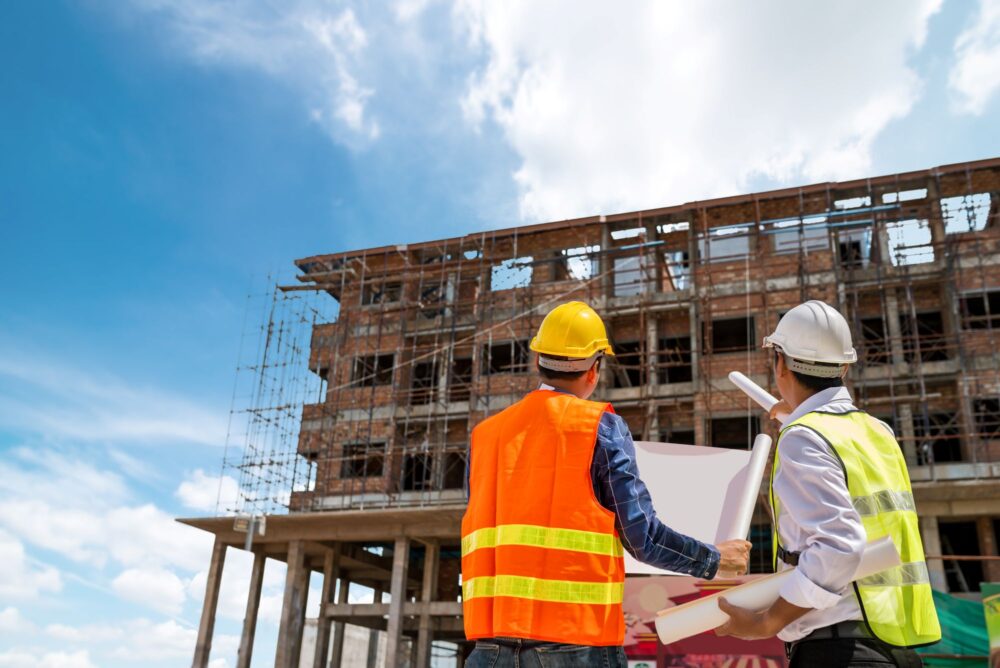
Phasing renovations with project management and scheduling allows schools to continue operating while construction is underway. By aligning major work with summers, breaks or off-hours, schools can minimize disruption to instruction and daily routines. Clearly defined milestones help keep the project organized and accountable. Regular approvals and thorough documentation ensure decisions are recorded, compliance is maintained and progress stays aligned with the original plan.
Consistent tracking of timelines and quality standards is essential to avoid costly delays. Proactive problem resolution helps to maintain momentum and protects both the schedule and the budget.
Stakeholder Communication and Engagement
Engaging teachers, student administrators, parents and community leaders early builds trust and strengthens outcomes. Early input helps identify priorities, uncover potential challenges and foster shared ownership of the renovation’s success. This kind of feedback is best procured through a feasibility study.
Transparent communication channels keep stakeholders informed and engaged throughout the process. Regular newsletters, town halls and project dashboards provide timely updates and help maintain momentum and confidence.
Managing expectations is critical to maintaining support during a complex renovation. Addressing concerns openly and promptly reduces uncertainty and reinforces confidence in project leadership. Proper capital campaign communication is most effective with a dedicated campaign manager, crafting unique and tailored messaging for the school and stakeholders.
Remember the Bigger Picture: Community and Long-Term Impact
Well-planned school renovations often contribute to increased property values and broader neighborhood revitalization with societal and community benefits. Modern, well-maintained schools signal community investment and can attract families, businesses and future development. Improved learning environments support stronger student outcomes by enhancing engagement, safety and access to resources. At the same time, successful renovations foster community pride and reinforce the school’s role as a central gathering place.
Sustainability considerations extend the impact of renovations well beyond completion. Energy-efficient systems and durable materials reduce operating costs, support environmental stewardship and improve long-term operational efficiency.
 Final Takeaway: Build a Renovation Plan That Serves Students Well
Thoughtful planning and budgeting is the foundation of a successful school renovation and the key to avoiding costly missteps. When goals, budgets and timelines are clearly defined, schools are better positioned to make informed decisions at every stage of the project.
A strategic, safety-first and student-focused approach ensures renovations truly support learning and well-being. By prioritizing health, functionality and flexibility, schools can create environments that serve both current and future generations.
The next step is turning vision into action with the right tools and guidance. A planning checklist, professional consultation or comprehensive site assessment can help schools move forward with confidence and clarity.